
Your Guide to Healthy Eating Fundamentals
Discover the essential principles of nutrition that form the foundation for a balanced, nourishing lifestyle. Learn how to make informed food choices from day one.
Six Essential Features of Healthy Eating
Master these core principles to build sustainable eating habits that support your overall wellness.
Whole Foods First
Focus on unprocessed, minimally refined foods like fresh vegetables, fruits, whole grains, legumes, nuts, and lean proteins. These foods retain their nutrients and provide sustained energy without excess additives or preservatives.
Balanced Macronutrients
Include appropriate amounts of carbohydrates, proteins, and healthy fats in every meal. This balance keeps you satisfied, stabilises blood sugar levels, and provides the energy your body needs for daily activities.
Proper Hydration
Drink adequate water throughout the day to support digestion, nutrient absorption, and overall body function. Most adults benefit from 6-8 glasses daily, adjusted for activity level and climate.
Portion Awareness
Understand appropriate serving sizes to avoid overeating while ensuring you consume enough nutrients. Learning portion control helps you enjoy all foods while maintaining a healthy relationship with eating.
Consistent Meal Timing
Establish regular eating patterns to regulate your body's hunger signals and energy levels. Spacing meals 3-4 hours apart and eating at similar times daily supports metabolic function and prevents overeating.
Nutritional Literacy
Learn to read food labels, understand nutritional information, and make informed choices based on your dietary needs. Knowledge empowers you to identify hidden sugars, sodium, and other ingredients.
Why Nutritional Foundations Matter
When you're beginning your journey towards healthier eating, having a solid foundation is crucial. These principles aren't restrictive rules—they're guidelines that help you build sustainable habits that last a lifetime.
By understanding the core elements of nutrition, you gain the confidence to make choices that support your energy, mood, and long-term wellbeing. Rather than following temporary diets, you're developing a practical knowledge base that adapts to your lifestyle, preferences, and unique nutritional needs.
Build Lasting Habits
Slow, consistent changes create permanent lifestyle improvements rather than temporary fixes.
Reduce Confusion
Clear principles cut through conflicting nutritional advice and marketing claims.
Personalise Your Approach
Understanding basics allows you to adapt nutrition to your preferences and circumstances.
Essential Food Groups for Beginners
Every complete diet includes these fundamental food groups. Learning which foods belong in each category helps you create balanced, nourishing meals.
Vegetables
Leafy greens, cruciferous vegetables, root vegetables, and colourful options. Rich in vitamins, minerals, and fibre with minimal calories.
Target: Aim for 2-3 servings daily
Examples: Broccoli, spinach, carrots, bell peppers, kale, sweet potatoes
Tip: Eat the rainbow—different colours provide different nutrients.
Fruits
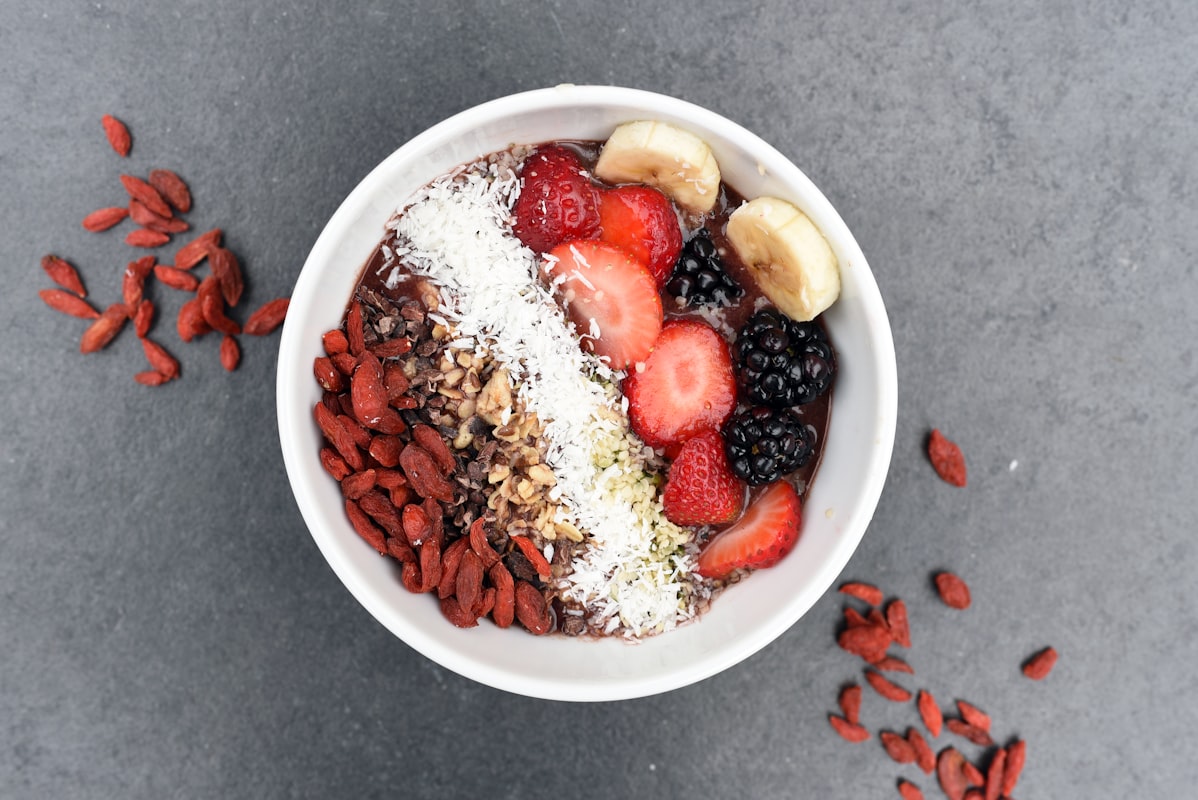
Natural sources of sugars, vitamins, fibre, and antioxidants. Whole fruits provide more fibre than juices.
Target: Aim for 1-2 servings daily
Examples: Apples, berries, oranges, bananas, grapes, melons
Tip: Include berries for high antioxidant content and relatively low sugar.
Whole Grains
Choose intact grains with the bran, germ, and endosperm for maximum nutrition and sustained energy.
Target: Aim for 3-4 servings daily
Examples: Brown rice, oats, whole wheat bread, quinoa, barley, millet
Tip: Check labels for "100% whole grain" as first ingredient.
Proteins
Animal and plant-based options provide amino acids essential for muscle, tissue, and enzyme function.
Target: Include at each meal, 0.8-1g per kg bodyweight daily
Examples: Chicken, fish, legumes, tofu, eggs, dairy, nuts
Tip: Vary your sources—fish for omega-3s, legumes for fibre, eggs for choline.
Healthy Fats
Essential for hormone production, nutrient absorption, and brain function. Focus on unsaturated varieties.
Target: 25-35% of daily calories from fat sources
Examples: Olive oil, avocados, fatty fish, nuts, seeds, olives
Tip: Use varied sources rather than relying on one fat source.
Dairy or Alternatives
Important sources of calcium, vitamin D, and protein. Choose fortified plant-based options if lactose intolerant.
Target: Aim for 2-3 servings daily
Examples: Milk, yoghurt, cheese, fortified plant milks
Tip: Choose unsweetened varieties to reduce added sugar intake.
Your 5-Step Journey to Better Nutrition
Start where you are, progress at your own pace. This roadmap helps beginners build healthy eating habits systematically.
Assess Current Habits
Track what you currently eat for 3-5 days without changing anything. This baseline helps you identify patterns and areas for improvement.
Set Realistic Goals
Choose 1-2 specific, achievable goals like "add one vegetable to lunch" or "drink more water". Small wins build momentum.
Gradual Implementation
Introduce changes slowly, giving yourself 2-3 weeks to adapt before adding new habits. Gradual shifts are more sustainable.
Monitor Progress
Keep simple notes on how you feel—energy levels, digestion, mood. Progress extends beyond the scale.
Refine & Adapt
Adjust based on what works for you. Healthy eating is personal—find an approach that fits your life.
Healthy Eating: What Changes When You Start
Understanding the difference between typical eating patterns and informed nutritional choices helps motivate change.
| Aspect | Before: Unaware Eating | After: Informed Choices |
|---|---|---|
| Energy Levels | Energy dips and spikes; fatigue after meals | Steady energy throughout the day |
| Food Choices | Based on cravings, convenience, or marketing | Based on nutritional needs and goals |
| Portion Awareness | Unclear about how much to eat | Clear understanding of adequate servings |
| Digestion | Bloating, discomfort, irregular patterns | Improved comfort and regularity |
| Food Labels | Ignored or misunderstood | Used to make informed decisions |
| Long-term Sustainability | Cycles of dieting and abandonment | Permanent lifestyle foundation |
Practical Tips to Get Started Today
These actionable strategies help you translate nutritional knowledge into everyday habits.
Plan Your Meals
Spend 15-30 minutes weekly planning breakfast, lunch, and dinner. Simple planning reduces impulsive choices and ensures balanced nutrition.
Shop with a List
Create a grocery list based on your meal plan and the food groups above. Shopping with purpose prevents mindless purchases.
Batch Cook When Possible
Prepare portions of grains, proteins, and vegetables in advance. Having ready components makes assembling balanced meals quick and easy.
Read Labels Carefully
Check serving sizes, ingredient lists, and nutrient amounts. Understanding what's in your food drives informed purchasing decisions.
Find an Accountability Partner
Share your goals with a friend or family member. Having someone to check in with increases motivation and success.