
Healthy Eating for Beginners
Start your wellness journey with practical, evidence-based nutrition guidance from Wellnessmealscore. Learn how to build sustainable eating habits that work for your lifestyle.
- Simple nutrition principles anyone can follow
- Practical meal planning and preparation tips
- Food group guides and balanced nutrition strategies
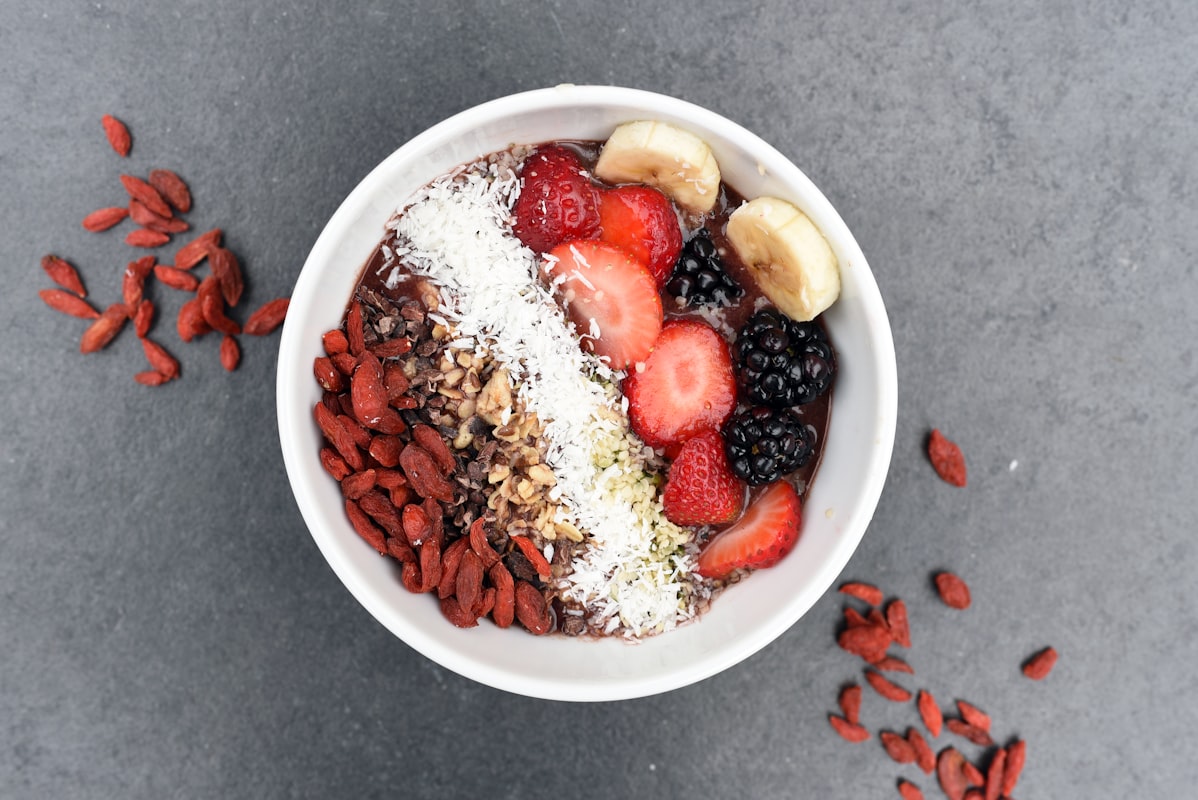
Why Healthy Eating Matters for Beginners
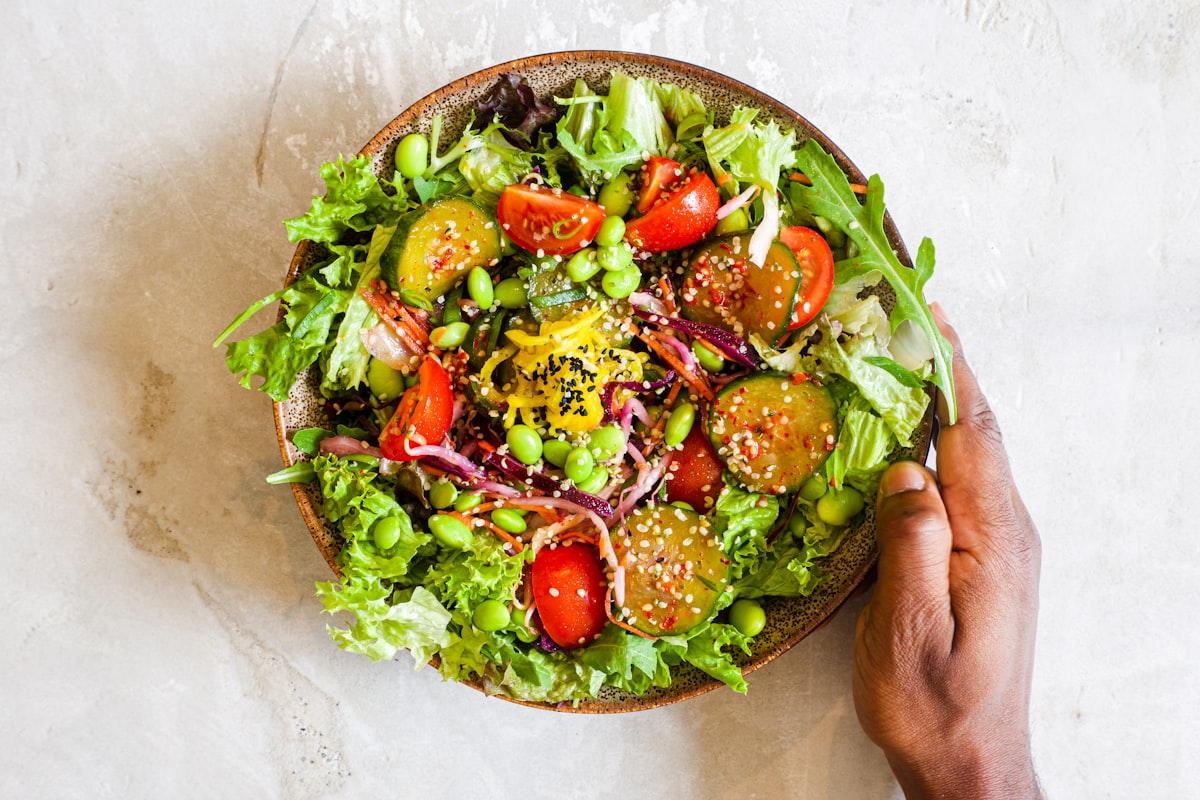
Building healthy eating habits is one of the most powerful investments you can make in your wellbeing. For beginners, the journey often feels overwhelming with conflicting information and confusing nutritional guidelines. At Wellnessmealscore, we believe healthy eating should be straightforward, enjoyable, and sustainable.
When you understand the fundamentals of nutrition—what your body needs, how different foods work together, and how to plan balanced meals—eating well becomes a natural part of your daily routine rather than a restrictive chore. This shift in perspective is where lasting change begins.
Our editorial content guides you through each step of this journey, from understanding food groups to mastering practical meal preparation techniques that fit your schedule and preferences.
Your Beginner Nutrition Journey in 5 Steps
Learn the Basics
Understand macronutrients (proteins, carbohydrates, fats) and why each matters for your health and energy levels.
Explore Food Groups
Discover the best sources of vegetables, fruits, whole grains, proteins, and healthy fats to build balanced meals.
Plan Your Meals
Learn practical meal planning strategies that work with your schedule and personal preferences.
Master Preparation
Gain confidence with simple cooking techniques and food prep methods that save time during the week.
Build Habits
Develop sustainable eating patterns that support your long-term wellness and fit naturally into your life.
Essential Food Groups Explained
Vegetables & Fruits
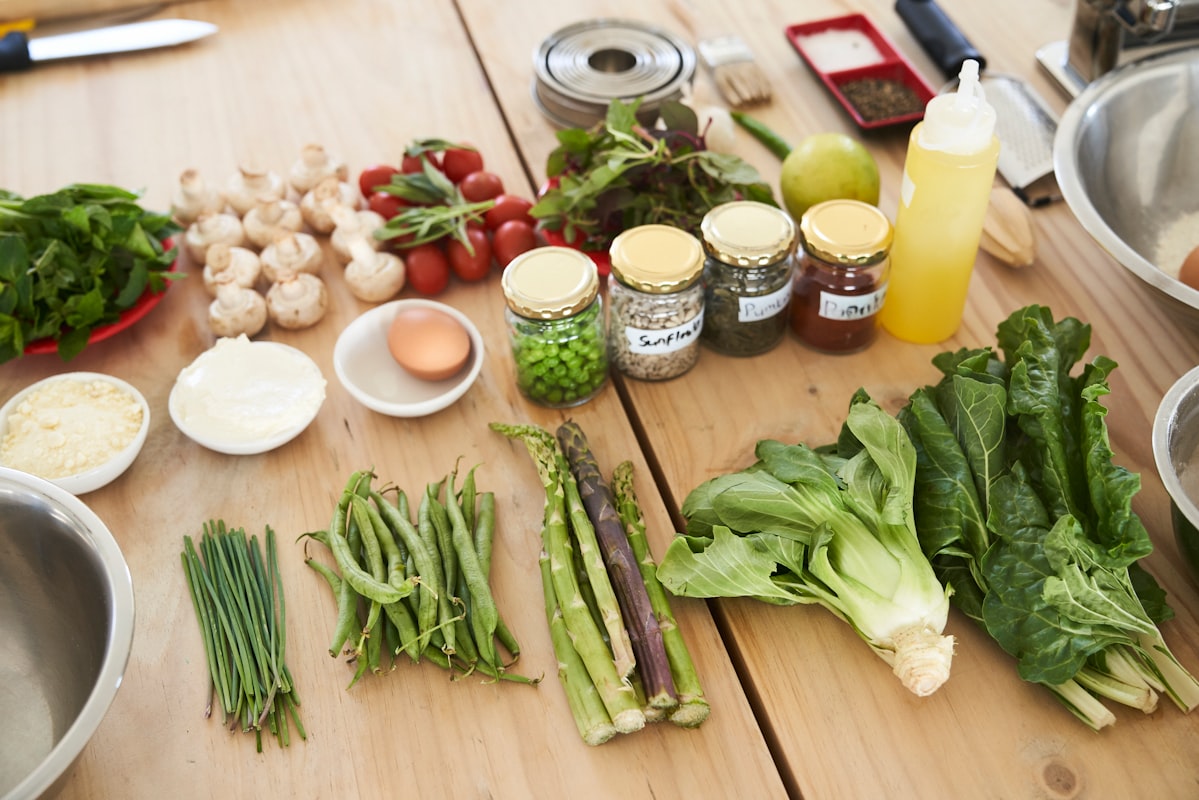
Rich in vitamins, minerals, and fibre, vegetables and fruits form the foundation of healthy eating. Aim for variety and colour to ensure you're getting a wide spectrum of nutrients.
- Target: 5+ portions daily
- Include leafy greens, berries, and root vegetables
- Raw or cooked both offer benefits
Whole Grains & Carbs
Choose whole grains over refined options for sustained energy and better nutrition. Whole grains contain more fibre and nutrients that support digestive health.
- Opt for brown rice, oats, and whole wheat
- Aim for 3-4 portions of whole grains daily
- Check labels for "whole grain" first ingredient
Proteins
Essential for muscle maintenance and countless body functions. Include both animal and plant-based proteins for variety and nutritional completeness.
- Include fish, poultry, beans, and nuts
- Aim for 2-3 portions of protein daily
- Mix lean and plant-based sources
Dairy & Alternatives
Excellent sources of calcium and protein. Choose lower-fat options when possible and explore plant-based alternatives if you prefer.
- Include milk, yoghurt, cheese, or alternatives
- Aim for 2-3 portions daily
- Choose fortified plant-based options if needed
Healthy Fats
Not all fats are the same. Focus on unsaturated fats from quality sources that support heart and brain health.
- Eat olive oil, nuts, avocados, and fatty fish
- Use small amounts—fats are calorie-dense
- Limit saturated and trans fats
Hydration & Water
Often overlooked, proper hydration is essential for energy, digestion, and overall wellbeing. Water is your best choice throughout the day.
- Drink at least 6-8 glasses daily
- Adjust intake based on activity level
- Limit sugary drinks and excess caffeine
Practical Tips for Meal Planning
Plan Your Week Ahead
Set aside 30 minutes each week to plan your meals. This prevents last-minute unhealthy choices and helps you shop more efficiently. Start with 3-4 simple recipes you know how to make, then gradually expand your variety.
Shop with a List
Create a shopping list based on your meal plan and stick to it. Shopping hungry leads to impulse purchases. Organise your list by store layout to save time and stay focused on whole, unprocessed foods.
Prepare Components, Not Full Meals
Instead of cooking entire meals, prepare basic components like roasted vegetables, cooked grains, and seasoned proteins. Mix and match them throughout the week for variety without extra cooking time.
Build Balanced Plates
Use the plate method: half vegetables and fruits, a quarter whole grains, a quarter protein. This simple visual guide helps you create balanced meals consistently without complex calculations or tracking.
What Our Readers Say
"I was completely confused about where to start with healthy eating. Wellnessmealscore broke everything down into simple, manageable steps. The food group explanations made nutrition feel accessible for the first time. I've been using these guides for three months and my energy levels have improved significantly. *Individual results may vary."
Sarah Mitchell
London
"The meal planning tips have been a game-changer for our family. We used to eat takeaway several times a week, but now we confidently prepare balanced meals at home. The practical approach means we're not spending hours in the kitchen, and the food actually tastes great. Highly recommended for anyone starting their nutrition journey."
James Patel
Manchester
"As someone who avoided cooking entirely, these articles gave me confidence to start preparing my own meals. The step-by-step guidance and honest approach about nutrition without being preachy really resonates with me. I've learned so much about food groups and how to build balanced plates. This is genuinely helpful information."
Emma Richardson
Edinburgh
Common Beginner Nutrition Questions
A balanced diet includes all five major food groups in appropriate portions. Use the plate method as your guide: fill half your plate with vegetables and fruits, a quarter with whole grains, and a quarter with protein. Include a dairy or alternative product. This visual approach is much simpler than counting calories or tracking macros. Over time, you'll develop an intuition for what balanced looks like without constantly thinking about it.
Explore Our Articles & Resources
Wellnessmealscore provides comprehensive guides, practical tips, and detailed explanations to support your transition to healthier eating habits. Browse our collection of articles designed specifically for beginners.
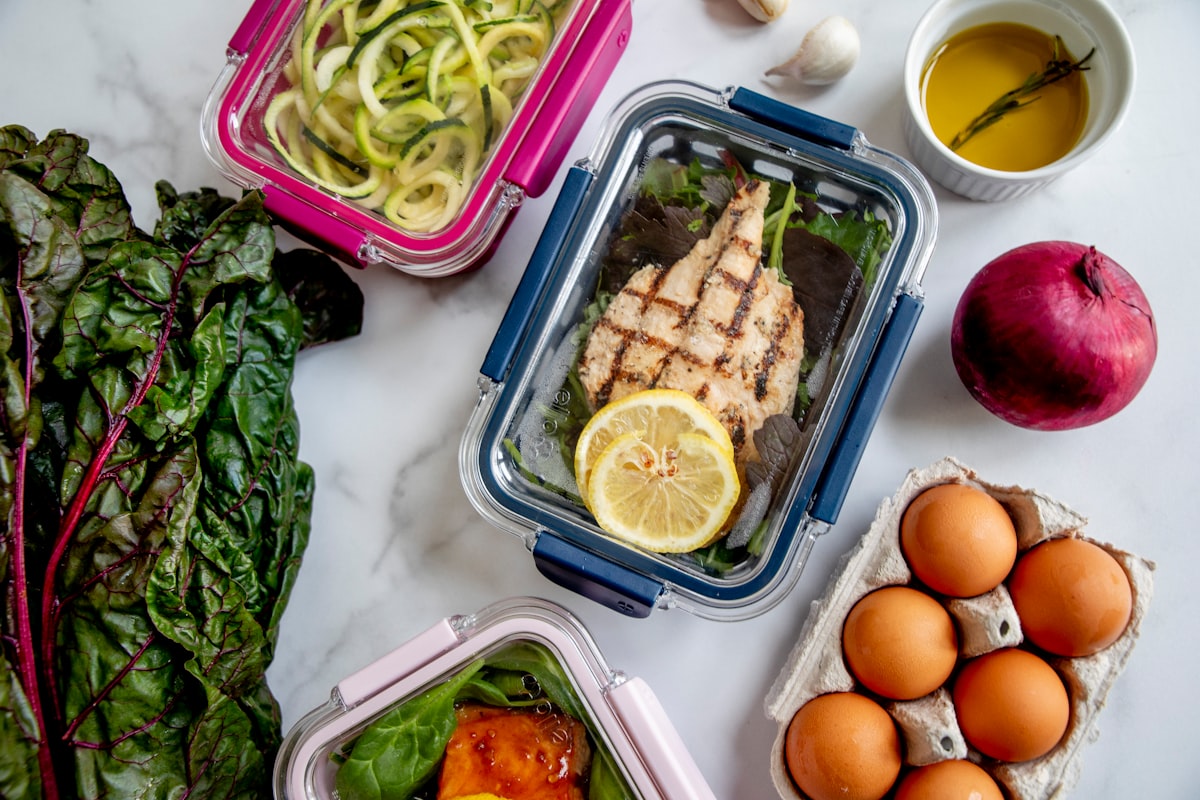
Understanding Macronutrients
Learn about proteins, carbohydrates, and fats—what they do in your body and how much you need for optimal health.
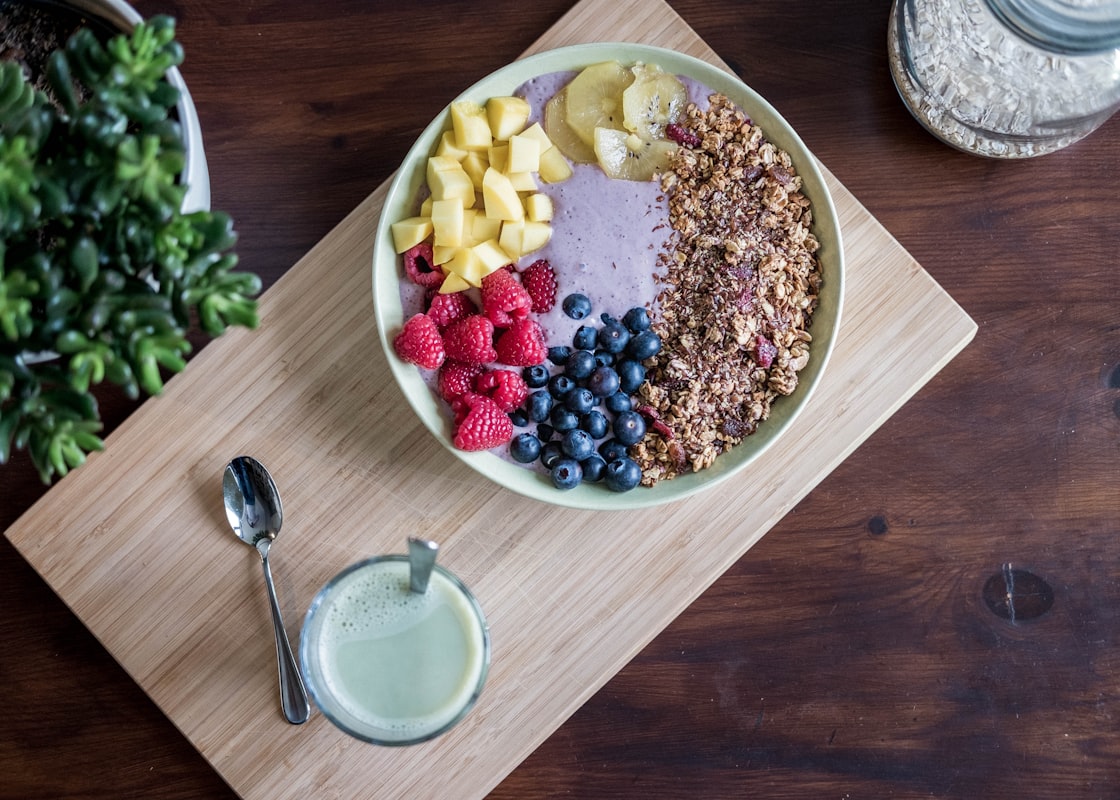
Whole Grains Explained
Your complete guide to choosing, preparing, and enjoying whole grains that support sustained energy throughout your day.
Eating Well on a Budget
Practical strategies for buying nutritious foods affordably, including seasonal shopping and smart storage tips.
Ready to Transform Your Meals?
Join thousands of people discovering delicious, nutritious recipes scored by wellness experts.
Get Started FreeWhat Our Users Say
Real stories from people who've transformed their eating habits.
"Wellnessmealscore helped me finally understand which recipes were actually healthy. The scoring system is brilliant and saved me so much time meal planning!"
Sarah Mitchell
Fitness Enthusiast
"As a busy parent, I needed meals that were both nutritious and quick. This platform is a game-changer for my family's health!"
Marcus Johnson
Working Parent
"The detailed nutritional breakdowns and wellness scoring took the guesswork out of healthy eating. Highly recommend to anyone serious about nutrition!"
Emma Chen
Nutritionist
Frequently Asked Questions
Everything you need to know about Wellnessmealscore.
Our wellness score is calculated by analyzing nutritional content including protein, fiber, vitamins, minerals, and macronutrient balance. We also consider ingredient quality and preparation methods to give you a comprehensive health rating for each recipe.
Yes! Create a free account to save recipes, build custom meal plans, and track your wellness progress. Your saved recipes sync across all your devices for easy access anytime, anywhere.
Absolutely! Our recipe database includes options for vegan, vegetarian, gluten-free, dairy-free, keto, and many other dietary preferences. You can filter recipes by your specific needs to find exactly what works for you.
Yes! Our mobile app is available on both iOS and Android, allowing you to browse recipes, check wellness scores, and access your meal plans on the go. Download from your device's app store today.
We add new recipes weekly, curated by our team of nutrition experts and wellness professionals. You'll always have fresh, seasonal options to keep your meals exciting and nutritious.